




By Kennedy Elaigwu Awodi

In the complex theatre of Nigerian national security, public attention is overwhelmingly, and understandably, fixated on kinetic outcomes: territories reclaimed, hostages rescued, and insurgents neutralised. Yet, behind every successful deployment in the trenches of the North-East or along the restive highways of the North-West lies an intricate web of diplomacy, logistics, institutional reform, and human welfare.

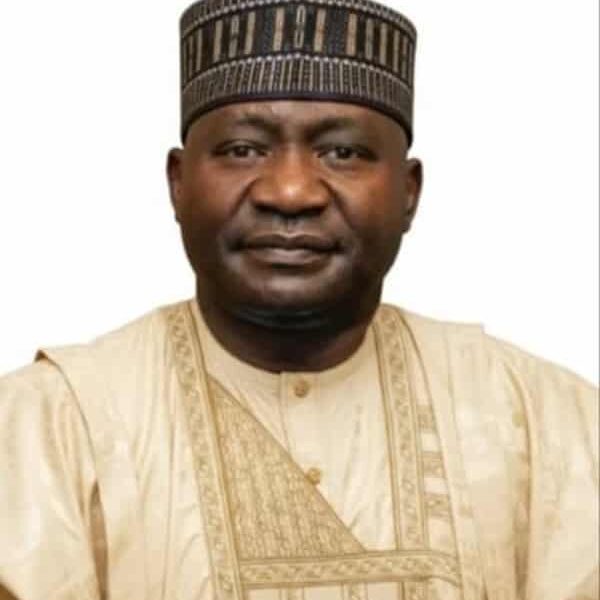
A closer look at the official engagements of the Ministry of Defence over the past week reveals a refreshing paradigm shift under the stewardship of the Honourable Minister of Defence, General Christopher Gwabin Musa (Rtd), OFR. Rather than treating defence administration as a purely reactive bureaucracy, General Musa is systematically modernising Nigeria’s security architecture through strategic international partnerships, proactive troop protection, and compassionate internal governance.
The crown jewel of this past week’s activities was undoubtedly the high-level diplomatic breakthrough at the Ministry of Defence Headquarters (Ship House) in Abuja. Hosting a European Union delegation led by Ms. Claire Gaudin, Head of the European Peace Facility (EPF) at the European External Action Service, General Musa successfully finalised the delivery modalities for a landmark €20 million non-lethal military assistance package. Notably, this represents the EU’s first-ever bilateral defence support package for Nigeria, placing the nation among a select group of global strategic partners.
What makes this achievement particularly commendable is not merely the financial value of the intervention, but its tactical precision. As a seasoned soldier who has commanded troops in the theatres of operation, General Musa understands that modern asymmetric warfare is won and lost on technological adaptability and force protection. Consequently, the priority areas for the €20 million package were carefully tailored to meet the exact realities of the Nigerian battlefield: Counter-Improvised Explosive Device (C-IED) systems, Counter-Unmanned Aircraft Systems (anti-drone technology), night-vision capabilities, and individual protective gear.
For years, improvised explosive devices and commercial drones weaponised by non-state actors have posed asymmetric threats to Nigerian troops in the Lake Chad Basin. By securing specialised counter-measures alongside night-vision optics, and simultaneously aligning these assets with broader regional stabilisation efforts under the Multinational Joint Task Force (MNJTF) and the Gulf of Guinea maritime corridor, the Minister has demonstrated an acute grasp of contemporary threat evolution. He is ensuring that the Nigerian soldier goes into battle not just with courage, but with the technological edge required to survive and prevail.
This outward-looking defence diplomacy was further underscored earlier in the week when General Musa hosted the German Ambassador to Nigeria. In an era where security challenges transcend national borders, isolating a nation’s military establishment is a recipe for stagnation. By actively cultivating bilateral ties with European powers like Germany and the broader EU bloc, the Minister is positioning Nigeria as a credible, indispensable anchor of regional stability in West Africa. Foreign partners do not commit tens of millions of euros in sensitive defence hardware without confidence in the leadership, transparency, and strategic clarity of the receiving institution. That confidence is a direct reflection of General Musa’s personal standing and professional pedigree.
However, true leadership in the defence sector is not measured solely by international summits and hardware acquisitions; it is equally tested by how a leader cares for the workforce back home. Perhaps the most telling indicator of General Musa’s holistic leadership philosophy is the Ministry’s newly unveiled partnership with the Presidential Compressed Natural Gas Initiative and Electric Vehicle programme (Pi-CNG & EV).
In a macroeconomic climate where transportation costs have placed significant pressure on civil servants and military personnel alike, the Minister took concrete steps to ease the daily commuting burden on Ministry staff by securing CNG-powered buses for the institution’s fleet. While critics might view a staff transportation scheme as a routine administrative detail, seasoned administrators recognise its profound impact on morale and productivity.
A motivated, stress-free civil service is the engine room that processes procurement, manages budgets, and coordinates policy execution for the Armed Forces. By championing clean-energy mobility for his workforce, General Musa bridged national economic policy with institutional welfare, proving that a general who cares for his frontline troops must also care for the civilians who keep the administrative machinery running.
Equally noteworthy is the human empathy that continues to define his public conduct. Amidst a gruelling schedule of diplomatic negotiations and security briefings, General Musa took the time to issue a heartfelt condolence message to the Deputy Governor of Kaduna State, Dr. Hadiza Sabuwa Balarabe, following the passing of her father. Combined with his recent commitment to institutional continuity, evidenced by the seamless reintegration of the Ministry’s Permanent Secretary, Mr. Richard Pheelangwah, to restore full civilian administrative synergy, a clear portrait emerges of a leader who values institutional harmony, mutual respect, and emotional intelligence.
Ultimately, the events of the past week offer a compelling blueprint for how the Nigerian Ministry of Defence should function in the twenty-first century. Security cannot be achieved through brute force alone; it requires smart diplomacy that brings in critical counter-drone and anti-IED technologies, pragmatic partnerships that cushion staff welfare, and steady, unassuming leadership that fosters trust both at home and abroad. By quietly orchestrating progress across all these fronts simultaneously, General Christopher Musa is proving that the best defence strategy is one rooted in foresight, innovation, and genuine care for people.
Kennedy Elaigwu Awodi wrote from North Carolina, USA.
Email: awodiken@outlook.com