

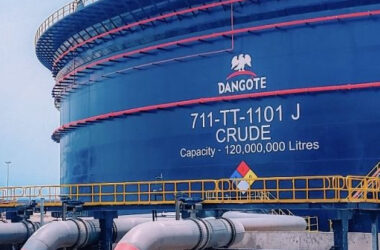
The industrial landscape of Sub-Saharan Africa is undergoing a profound structural transformation driven by large-scale energy infrastructure investments. Historically reliant on exported raw crude and imported refined petroleum products, the continent has faced persistent supply vulnerability, foreign exchange pressures, and volatile domestic energy costs. The establishment of massive processing hubs[Read More…]
Consumer Education
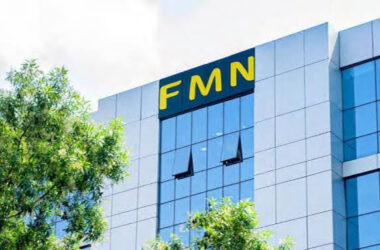
Cultivating Resilience: How Flour Mills of Nigeria (FMN) is Driving Sustainable Food Systems
Food security remains one of the most critical imperatives for economic stability and national well-being across Africa. In Nigeria, bridging the gap between agricultural potential and practical food self-sufficiency requires long-term investment, structural value-chain development, and continuous technological innovation. Since its establishment on September 29, 1960, just two days prior[Read More…]

Two Years On, SportyBet Still Leaves Big Questions Unanswered
Since April 2024, more than ₦900 million belonging to 114 SportyBet customers has remained frozen, unresolved, and unexplained by relevant authorities. The sports betting company justified the restriction by alleging that the funds were tied to bot-driven fraudulent activity requiring investigation. But the customers had, and still has a contrary[Read More…]
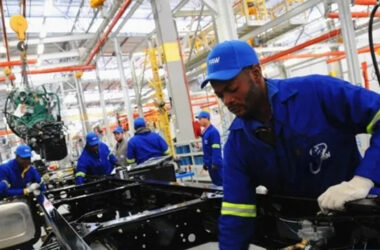
Navigating Capital & Growth in Nigerian Industry
Nigeria’s real sector stands at a critical juncture, defined by remarkable sector-specific resilience alongside persistent regional imbalances. According to recent data released by the Manufacturers Association of Nigeria (MAN), the food, beverage, and tobacco sector emerged as the premier destination for industrial capital in 2025, absorbing ₦375.03 billion in fresh[Read More…]

Beyond Dispensing: Expanding the Strategic Role of Pharmacists in Nigeria’s Healthcare System
For decades, the popular perception of the pharmacist in Nigeria was limited to a vendor behind a glass counter, a professional whose role began and ended with interpreting prescriptions, retrieving medication bottles, and handing over doses. However, as the global healthcare landscape evolves and national health demands become increasingly complex,[Read More…]

Catalyzing Africa’s Industrial Renaissance: The Strategic Significance of the Dangote Energy Expansion
For decades, the dominant narrative surrounding Africa’s energy landscape was defined by structural paradox: a continent richly endowed with vast crude oil reserves, yet fundamentally dependent on foreign nations to refine that crude into usable fuel. This historical reliance not only exposed African economies to global supply-chain shocks and severe[Read More…]
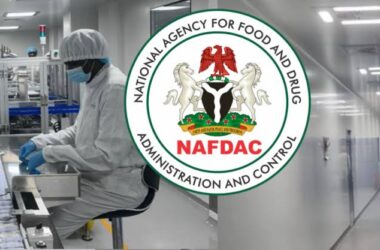
The Rising Danger of Medical Vulnerability: Understanding NAFDAC’s Investigation into Fortcef Injection
In healthcare, intravenous antibiotics are widely regarded as a frontline defense, essential for neutralizing life-threatening bacterial infections and restoring patient stability. However, when the very treatments intended to heal instead provoke severe clinical harm, the system faces a critical test of public safety and institutional accountability. The recent investigation launched[Read More…]

NAFDAC Warns: Toxic Herbal Drinks Kill 48 in Ondo
The National Agency for Food and Drug Administration and Control (NAFDAC) has issued an urgent public health warning following laboratory tests confirming high concentrations of methanol and Cannabis indica in unregistered local alcoholic and herbal drinks linked to a fatal outbreak in Ondo State. As of September 17, 2026, the[Read More…]

The Deadly Cost of Unregulated Alcohol: Analyzing the Ondo State Toxicity Outbreak
The persistence of informal economies in developing nations often brings severe public health vulnerabilities, particularly when unregulated production intersects with daily social life. A devastating illustration of this crisis emerged in southwestern Nigeria’s Ondo State in September 2026, when a widespread outbreak of suspected alcohol poisoning resulted in at least[Read More…]

Nigeria’s Food Inflation Surges to 20.31% in Fifth Consecutive Monthly Rise
Nigeria’s food inflation rate surged by 2.79 percentage points to reach 20.31 percent in July 2026, up from 17.52 percent in June, marking the fifth consecutive monthly increase since March. According to the latest Consumer Price Index (CPI) report released by the National Bureau of Statistics (NBS), this development marks[Read More…]



Consumer TV
FG Revenue Rises 76% to N12.5tn, Fueled by Tax and Oil Gains — Budget Office
The Federal Government’s earnings have increased by 76 percent, rising from N7.1 trillion in 2022 to N12.5 trillion in 2023, due to higher taxes and oil revenues. This information was revealed in the recently released 2025-2027 Medium Term Expenditure Framework and Fiscal Strategy Paper from the Ministry of Budget and[Read More…]