




In the bustling digital marketplace of modern Nigeria, a single social media post can ignite a firestorm faster than a power surge. Usually, these fires burn out in forty-eight hours, replaced by the next trending dance or political gaffe. But every so often, a viral moment transcends the screen and lands squarely on the desks of federal regulators, altering the legal landscape of the country.

The recent “viral bread case” is one such moment. What began as a bewildered consumer’s video about a loaf of bread that refused to mold has transformed into a high-stakes showdown between corporate power and regulatory authority. The intervention of the Federal Competition and Consumer Protection Commission (FCCPC) has not only quelled a burgeoning injustice but has signaled a paradigm shift in how Nigeria protects its citizens from market intimidation.

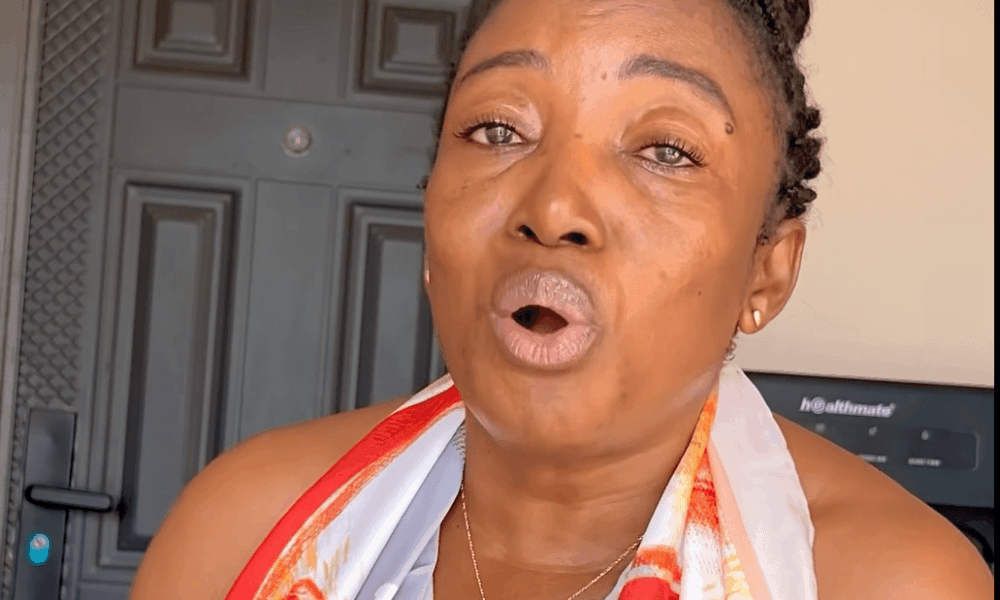
The saga began when Love Doshima, an ordinary consumer, took to social media to share a discovery that defied the laws of biology. She claimed a loaf of bread she had purchased remained soft and seemingly fresh after two months on her shelf. In a climate where food safety is a perennial concern, her video was less a review and more an SOS.
Under normal circumstances, bread, a product typically devoid of heavy preservatives in its artisanal or “home-grown” Nigerian forms, begins to show signs of spoilage within a week. Doshima’s claim of sixty days of freshness sparked immediate alarm. Was it a miracle of modern baking, or a cocktail of unregulated chemicals?
However, the narrative shifted from public health to human rights when the baker responded not with scientific proof of quality, but with a N50 million lawsuit and the reported arrest of the consumer. The message was clear: silence is the price of a complaint.
The arrest of a consumer for voicing a product concern was a bridge too far for the FCCPC. Recognizing that the “David vs. Goliath” dynamic was being weaponized, the Commission’s Director of Corporate Affairs, Ondaje Ijagwu, confirmed that the agency’s surveillance and legal teams were mobilized immediately.
The FCCPC’s swift intervention to facilitate Doshima’s release was a watershed moment. For decades, the Nigerian consumer has often felt like an afterthought, a minor player in a game dominated by big brands and influential distributors. By physically stepping into the dispute, the FCCPC demonstrated that it is no longer a “paper tiger” that merely issues toothless press releases.
”If people begin to associate complaints with arrest or litigation, they will simply stop reporting issues,” noted Mr. Ephraim Uchechukwu, a consumer protection enthusiast. “That would be dangerous for public safety.”
While the legal drama captured headlines, the underlying issue remains one of public health. To address this, the FCCPC has partnered with the National Agency for Food and Drug Administration and Control (NAFDAC) to subject the “immortal bread” to rigorous laboratory analysis.
This collaboration is vital. In an era of “fake news” and “alternative facts,” the FCCPC is wisely leaning on empirical evidence. Dr. Adebayo Salisu, a Lagos-based food technologist, emphasizes that the public deserves answers rooted in science. If the bread contains safe but highly effective preservatives, the public needs to know the ingredients. If it contains banned substances, the manufacturer must face the full weight of the law.
This move moves the conversation from emotional social media debates to institutional accountability. It reinforces the idea that in a functional economy, science, not intimidation, determines product viability.
The case highlights a systemic flaw in the Nigerian marketplace: the “Bully Tactics” employed by some businesses. For too long, the threat of “defamation” has been used as a shield to deflect legitimate criticism.
Lagos-based advocate Mike Eboigbe points out that while businesses have a right to protect their reputation, that right does not extend to using law enforcement to suppress consumer feedback. The FCCPC’s intervention serves as a necessary check against the misuse of power. It asserts that consumer rights are human rights.
The FCCPC’s responsiveness also reflects an adaptation to the digital age. In 2026, the marketplace is no longer just physical stalls in Balogun or Alaba; it is a sprawling network of Instagram shops, WhatsApp statuses, and TikTok reviews.
By monitoring these platforms, the FCCPC is meeting consumers where they are. This “digital-first” regulatory approach ensures that even a lone voice in a remote part of the country can reach the ears of the federal government if their rights are being trampled.
This intervention is a loud wake-up call for the Nigerian private sector. The era of “buyer beware” (caveat emptor) is being replaced by an era of “seller be honest.”
Businesses must realize that transparency is their best defense. A company that operates with integrity has no need for N50 million lawsuits against its own customers. In fact, a savvy business would have responded to Doshima’s video by inviting her to the factory, explaining their process, and using the opportunity to build brand trust rather than burning it down.
The “viral bread case” will likely be cited in consumer law textbooks for years to come. It represents a defining moment where the state chose to protect the individual over the influential.
As the FCCPC and NAFDAC conclude their investigations, the stakes remain high. The outcome will determine the future of food safety standards and the level of freedom consumers have to hold brands accountable.
For now, the message from the FCCPC is unambiguous: The Nigerian consumer is no longer alone. In the marketplace of 2026, accountability is the new standard, and the regulator is finally awake.