

There was a time when counterfeit products in Nigeria were a matter of grim street humor. Buyers chuckled at glaringly misspelled designer labels or obvious knock-offs sold in open-air markets. Those days are long gone. Today, the proliferation of fake goods has mutated from a minor nuisance into a full-scale public health emergency and economic crisis, infiltrating supermarkets, neighborhood pharmacies, and open markets alike.

From adulterated medications and expired canned foods to diluted beverages, substandard electrical cables, and toxic cosmetics, counterfeit items have quietly embedded themselves into the daily survival of millions of citizens. What was once a joke has become a deadly gamble.
From Street-Corner Jokes to Silent Killers
In previous decades, counterfeiting largely targeted luxury items or fashion. Now, bad actors have shifted their sights to everyday essentials. Consumers walking into local shops run the terrifying risk of purchasing fake drugs that treat nothing, poisoned drinks, or cosmetic creams laden with banned chemicals like mercury and hydroquinone.

Public health experts and medical practitioners have watched this trend with mounting dread. Public health researcher Amina Suleiman captured the harsh reality of this epidemic, describing counterfeit products as “a poverty tax paid in lives.”
The mechanics of this crisis are heavily fueled by economic pressures. With tight household budgets and soaring inflation, many consumers are forced to seek out cheaper alternatives, inadvertently driving traffic to unregulated roadside vendors and low-cost markets where counterfeit goods thrive.
Medical professionals note that the consequences are devastating. Routine illnesses that should be easily cured are turning fatal or leading to severe organ failure due to fake medications. As one medical expert noted regarding the health toll: “Some of them cause renal failure, which is shutting down the kidneys. They can shut down the liver, and that’s why regulatory bodies have to be on top of their game.”
The fallout extends far beyond hospital wards; it is actively bleeding the Nigerian economy. Legitimate manufacturers, who invest heavily in quality control, tax compliance, and product safety, are forced to compete with criminal syndicates selling dangerous, tax-evading knock-offs at a fraction of the cost.
Dr. Emeka Offor, former Executive Secretary of the Nigerian Investment Promotion Commission, highlighted the multi-layered nature of this emergency. He described Nigeria’s counterfeit goods crisis as “both an economic challenge and a public health emergency requiring urgent action,” emphasizing that “enhanced surveillance technology and regional cooperation will also be key to addressing the crisis.”
When genuine industries face relentless competition from fakes, factories downsize or close entirely, translating to massive job losses. Furthermore, the persistent presence of counterfeit goods signals to foreign and domestic investors that market rules are weak and regulatory enforcement is unpredictable, choking off foreign direct investment that the country desperately needs.
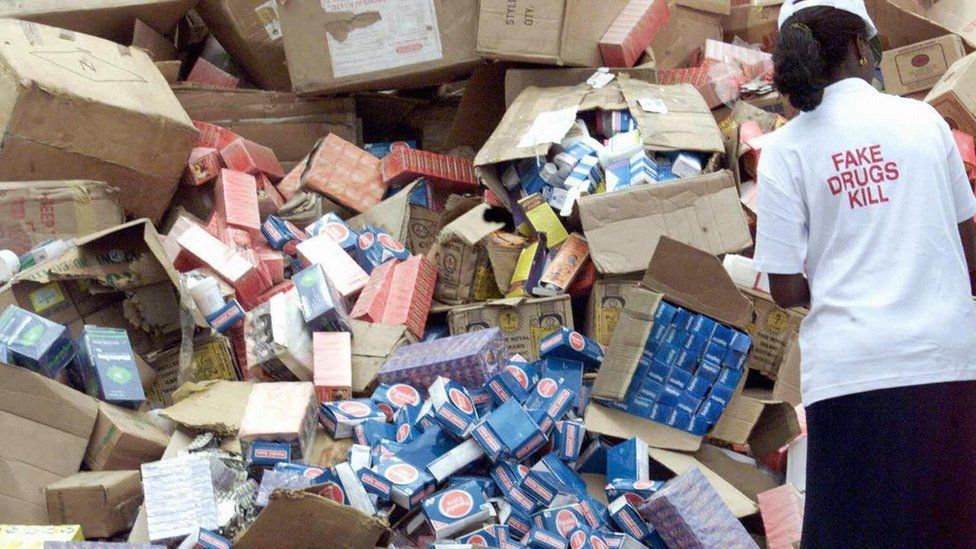
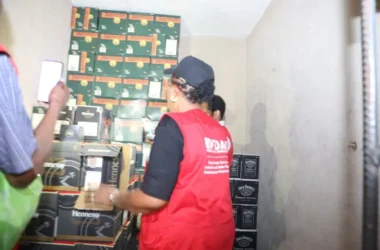
The fight to stem this tide rests primarily on agencies like the National Agency for Food and Drug Administration and Control (NAFDAC) and the Standards Organisation of Nigeria (SON). Under current leadership, regulatory bodies have intensified market raids, warehouse seizures, and product destructions worth billions of Naira.
However, critics and industry observers argue that reactive enforcement alone is not enough. Syndicates continue to exploit porous borders, weak judicial penalties, and underfunded regional offices to bounce back quickly after crackdowns.
Addressing the institutional and cultural dimensions of the crisis, policy analysts emphasize that turning the tide requires more than occasional headline-grabbing seizures. As industry watchers point out, rebuilding a safe marketplace requires a zero-tolerance approach: penalties must be severe enough to deter repeat offenders, and regulatory agencies must transition from a posture of reactive damage control to proactive, tech-driven supply chain surveillance.
Ultimately, breaking the grip of the counterfeit epidemic demands a multi-pronged alliance between vigilant consumers, responsive regulators, and resolute lawmakers. Until buying a genuine product no longer feels like a game of Russian roulette, the counterfeit economy will continue to exact its devastating toll on the Nigerian populace.