



By Godwin Anyebe

Across the commercial arteries of Lagos and the agricultural belts of the Middle Belt, Nigeria in 2026 presents a striking economic paradox. At the macro level, structural reforms are yielding measurable dividends. Real Gross Domestic Product (GDP) grew by 4.43% year-on-year in the second quarter of 2026, building on a 3.89% expansion in Q1. External reserves have swelled past $54.7 billion, bolstered by crude oil production averaging 1.72 million barrels per day, while headline inflation has gradually moderated toward 14.63%.

Yet, step off the balance sheets of central planners and onto the floor of local neighborhood markets, and a vastly different story unfolds. Despite improving top-line indicators, the average Nigerian consumer faces a daily battle against persistent food inflation (hovering near 19.59%), high transport costs, and elevated borrowing rates.
This widening chasm between macroeconomic stabilization and household purchasing power has fundamentally reshaped consumer behavior. Driven to down-trade toward cheaper alternatives, millions of Nigerians now navigate a precarious marketplace, one where a predatory shadow economy of counterfeiters, illicit manufacturers, and uncertified producers threatens not only economic growth but human lives.
Macroeconomic Horizon & Reform Dividends
Nigeria’s macroeconomic trajectory in 2026 reflects a period of structural consolidation. Decisive fiscal and monetary adjustments implemented over recent fiscal cycles have begun to stabilize external buffers and stabilize currency markets.
As highlighted in PwC Nigeria’s H2 2026 Nigeria Economic Outlook, titled “Unlocking Nigeria’s Reform Dividend,” the country’s improving stability creates the essential groundwork for long-term expansion. Over 27 economic subsectors posted real growth exceeding 3% in Q2 2026, with the non-oil sector serving as the primary engine of output, accounting for 95.84% of total real GDP.
However, as Olusegun Zaccheaus, Partner and Strategy& Leader at PwC Nigeria, observed in the economic report, macroeconomic stability is a necessary condition, but not a sufficient outcome:
”The task now is to translate this progress into better outcomes for households and businesses, higher productivity, investment and jobs. Nigeria’s macroeconomic stability creates the conditions for growth, but structural constraints limit how far its benefits are felt across the economy.”
To translate these high-level gains into widespread prosperity, structural priorities must take precedence: scaling up targeted consumer support, lowering energy and logistics costs, broadening access to affordable long-term credit for MSMEs, and converting investor interest into tangible infrastructure.
Micro Frictions & Down-Trading
At the firm and household level, the economic pressure remains palpable. Commercial borrowing rates, holding above 23%, continue to restrict inventory expansion and delay capital investments for small and medium-sized enterprises (MSMEs). For the average consumer, whose nominal wage growth has been outpaced by cumulative cost-of-living increases, household budgeting has become an exercise in survival arithmetic. Disposable income is disproportionately consumed by baseline necessities, transportation, cooking fuel, electricity, and staple foods.
This friction has fueled a mass consumer shift toward down-trading. Households increasingly forgo premium, trusted brand names in favor of cheaper, unbranded, or value-tier alternatives. While down-trading allows families to stretch their daily budgets, it opens a dangerous vulnerability in the retail ecosystem: a market environment where price sensitivity overrides quality assurance, creating a fertile playground for illicit actors.
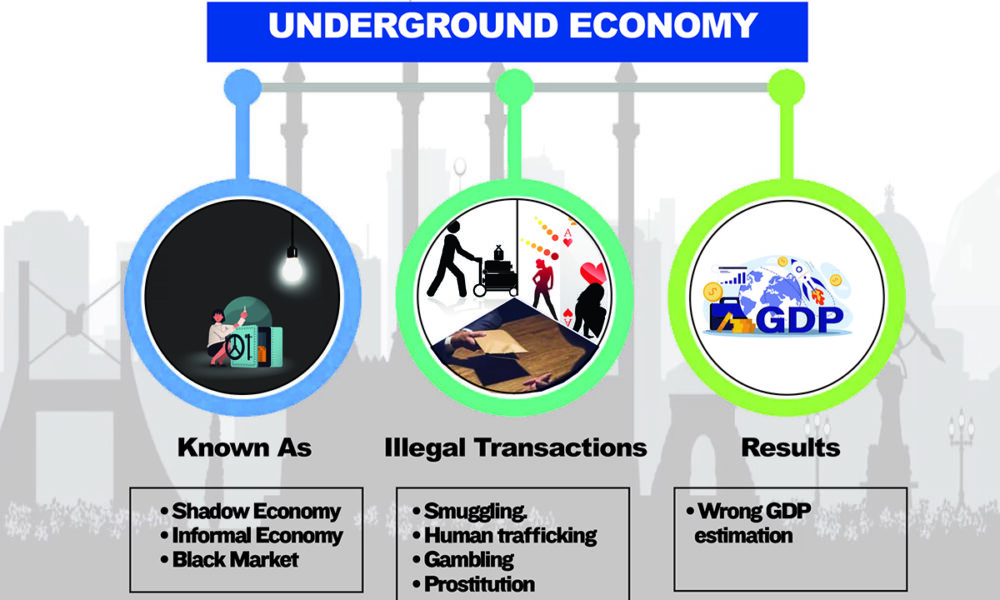
Exposing the Shadow Economy
Early in 2026, a groundbreaking three-month undercover investigation carried out by Consumers Assembly unmasked the tragic underbelly of this price-sensitive market. Titled “THE DEATH CHAMBERS OF OJO BARRACKS: Inside the Illegal Factories Poisoning Nigeria,” the report exposed an industrial-scale counterfeiting syndicate operating in the shadows of the Ojo axis in Lagos State.
Operating behind non-descript gates and residential walls, these clandestine facilities, unregistered with the Corporate Affairs Commission (CAC) and unapproved by the National Agency for Food and Drug Administration and Control (NAFDAC), were found mass-producing counterfeit whiskies, wines, luxury perfumes, and skin-lightening creams.
The investigation revealed a chilling disregard for human safety within these illicit manufacturing operations. Facilities routinely mixed industrial ethanol, brown food colorings, and chemical flavorings in large plastic drums, stirring the toxic concoctions with wooden planks. The liquid was then siphoned directly into discarded premium glass bottles gathered from scavengers, presenting a severe biohazard to unsuspecting consumers.
Compounding this danger are lethal chemical substitutions, where laboratory analyses of illicit spirits frequently reveal high concentrations of methanol, a wood alcohol commonly used in antifreeze, rather than ethanol. When ingested, the human body metabolizes methanol into formaldehyde and formic acid, which directly attacks the optic nerve to cause permanent blindness and induces severe metabolic acidosis that rapidly leads to organ failure.
The toxicity extended directly into the personal care market through hazardous cosmetics and counterfeit luxury fragrances. Body creams were routinely mixed in rusted basins using banned, high-concentration hydroquinone and mercury, toxic compounds known to trigger irreversible kidney damage, severe dermal scarring, and systemic toxicity. Concurrently, fake perfumes were formulated using concentrated methanol, putting consumers at risk of severe respiratory distress and painful chemical skin burns.
Beneath this product toxicity lay a dark reality of human exploitation within the factory walls. Undocumented laborers endured grueling 12-hour shifts without basic safety gear such as gloves, masks, or respirators. Operating under constant threat of dismissal, workers inhaled concentrated chemical vapors daily, frequently suffering from chronic skin peeling and fainting spells caused by severe methanol and ethanol fumes.
Sabotage & Public Health Risks
The proliferation of counterfeit goods represents a multi-pronged crisis that severely undermines Nigeria’s economic recovery and public health infrastructure.
When toxic counterfeits enter the consumer chain, the burden falls directly on emergency healthcare systems. Dialysis centers, ICU wards, and ophthalmic clinics treat the human casualties of metabolic acidosis and heavy-metal poisoning, diverting scarce medical resources to manage preventable, human-manufactured pathologies.
Corporate Sabotage and Brand Destruction
Legitimate manufacturers spend billions of Naira on compliance, research, NAFDAC certification, and quality assurance, only to see their market share systematically eroded by illicit operators. Premium brands across spirits, dairy, pharmaceuticals, and personal care lose vital revenue to refilling syndicates. When a consumer experiences illness or poor performance from a fake product, the long-term trust built by legitimate brands over decades is severely damaged.
Illicit factories pay no corporate taxes, remit no VAT, and bypass all regulatory fees. This shadow economy deprives the government of critical revenues needed to fund infrastructure and public services. Furthermore, international investors hesitate to deploy long-term capital into markets where intellectual property rights are compromised and unfair competition from illegal manufacturers goes unchecked.
Strategic Policy Imperatives
To protect the gains of Nigeria’s macroeconomic consolidation and safeguard its citizens, a coordinated policy framework must be deployed across economic, regulatory, and enforcement domains, beginning with closing the macro-micro gap. Government interventions must prioritize direct cost relief in transportation, household energy, and basic food distribution, as strengthening household purchasing power effectively reduces the severe economic pressure that forces vulnerable consumers to compromise on safety.
In addition, aggressive regulatory enforcement requires agencies such as NAFDAC, the Federal Competition and Consumer Protection Commission (FCCPC), and the Nigerian Police Force to transition from sporadic market raids to sustained, permanent surveillance. Setting up dedicated joint task forces in high-risk zones like the Ojo/Alaba industrial belt is essential to systematically dismantling illegal manufacturing syndicates directly at their source.
Punitively stiffening legal consequences requires a complete overhaul of current legal frameworks that treat illegal manufacturing as a minor offense, ensuring that operating uncertified factories producing toxic consumables carries mandatory, long-term custodial sentences without the option of fines.
Deploying advanced traceability technologies is essential to empowering consumers at the point of sale. Mandating Mobile Authentication Service (MAS) codes, tamper-proof packaging, and blockchain-based supply chain verification across high-risk categories, including alcoholic beverages, personal care items, and pharmaceuticals, provides immediate verification and establishes a transparent defense line against illicit refilling.
Equally vital is supporting MSMEs and legitimate value chains through targeted economic access. Expanding availability of low-interest, long-term financing for certified local manufacturers enables compliant small businesses to lower operating overhead, ultimately producing safe, affordable, and high-quality products that naturally displace hazardous fakes from store shelves.
Reclaiming the Promise of Growth
Nigeria stands at a pivotal junction in its economic history. The macroeconomic progress recorded in 2026, reflected in stronger GDP growth, expanding foreign reserves, and moderating inflation, proves that structural reforms are pointing in the right direction.
However, an economy cannot be judged solely by its top-line balance sheet; it must be measured by the security, health, and prosperity of its people. By confronting the structural bottlenecks that squeeze household budgets and decisively eradicating the shadow economy of counterfeit producers, Nigeria can protect its citizens, nurture legitimate enterprise, and fulfill the promise of sustainable, inclusive growth.