




Though The Coca-Cola Company commands the global soft drink market, a wave of regional alternatives is captivating consumers worldwide. From Cold War creations to modern wellness-focused sodas, independent brands are leveraging local ingredients, cultural heritage, and distinct flavor profiles to offer spirited alternatives to traditional cola.

Here are eight independent colas from around the globe making their mark:
Kofola (Czechia): Formulated in former Czechoslovakia during the Cold War as a Western substitute, this herbal drink features 14 fruit and botanical extracts. It contains 30% less sugar than a classic Coke and remains a regional staple.

Cockta (Slovenia): Created in 1952, this caffeine-free Yugoslavian legacy drink uses a blend of 11 herbs and spices anchored by dog rose berry (rosehip), yielding a tart, citrusy flavor profile distributed across 18 countries.
Ojaja Cola (Nigeria): Launched in 2026 by His Imperial Majesty Ooni Adeyeye Enitan Ogunwusi Ojaja II, this beverage utilizes 100% indigenous African ingredients, including natural kola nut and ginger, to celebrate national heritage.
Cunnington Cola (Argentina): Tracing its origins back to a 1920s British tonic formula, this lower-sugar option provides a crisp, less syrupy taste that serves as a popular mixer for Argentina’s traditional “Fernandito” cocktail.
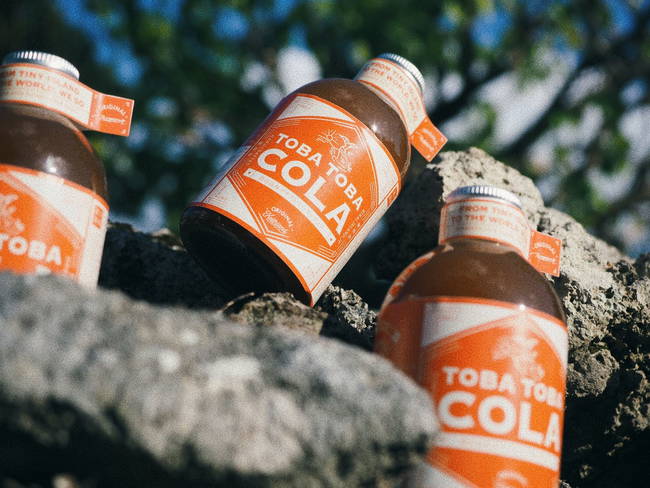
Toba Toba Cola (Japan): Hailing from Kikaijima Island, this craft syrup pairs native shiiku citrus with raw brown sugar, kola nut, and hand-ground spices, earning international acclaim for its versatility.
Brio Chinotto (Canada): Founded in Toronto in 1959 by Italian immigrants, this bittersweet soda leverages imported chinotto citrus extract and has grown into a widespread Canadian institution.
Bobby Cola (Australia): Tapping into the functional beverage movement, this health-conscious entry features added prebiotics, low calories (44 per can), and no artificial preservatives, achieving rapid retail expansion across Australasia.
Salaam Cola (UK/Turkey): Introduced in 2023 with a focus on social impact, this halal-certified, spicy-citrus cola pledges 10% of its profits to humanitarian projects via the UK-registered charity Muslims in Need.
These distinct regional offerings prove that the global market for soft drinks continues to diversify, driven by consumers seeking local identity, health-conscious alternatives, and unique flavor profiles.