


Lagos, a megacity defined by its vibrant energy and immense consumption, is at a critical juncture in its environmental journey. For years, the improper disposal of used cooking oil (UCO) has been a silent contributor to urban degradation, clogging drainage systems and polluting water bodies.
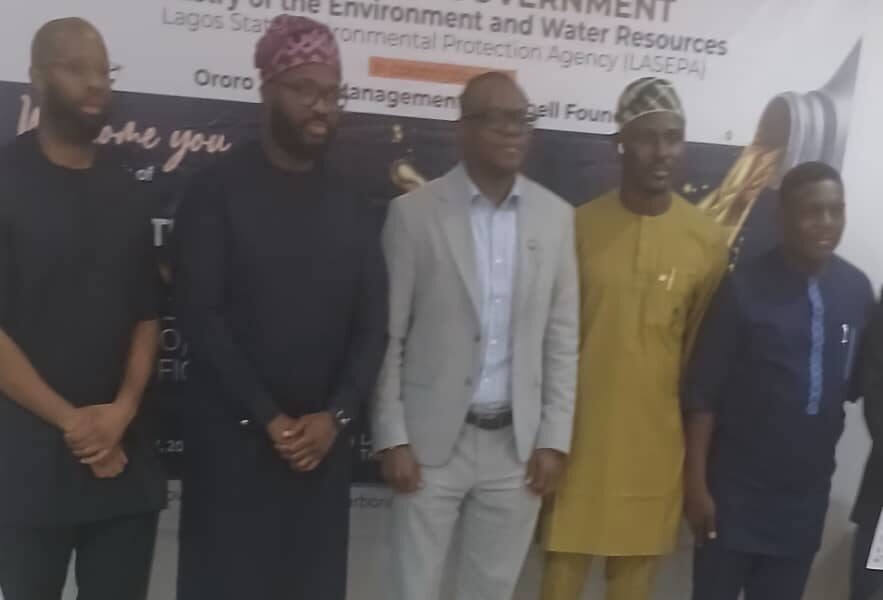
However, a new strategic partnership between the Lagos State Environmental Protection Agency (LASEPA), Ororo Waste Management, and the Shell Foundation seeks to change this narrative. With the launch of the Kiosk Initiative, Lagos is pivoting from a culture of waste to one of circular economic value.
At its core, the Kiosk Initiative is more than just a waste collection program; it is a formalization of an underutilized global supply chain. By establishing dedicated collection points at all 21 LASEPA zonal offices, the project creates a structured pathway for domestic waste to re-enter the economy.
Dr. Babatunji Ajayi, General Manager of LASEPA, highlights that the potential for this market in Sub-Saharan Africa is immense, with a projected value of at least $20 million. By tapping into this, Lagos is not just managing pollution—it is creating a brand-new sector for economic empowerment.
Historically, environmental management has relied heavily on enforcement and penalties. The Kiosk Initiative represents a sophisticated shift toward voluntary compliance by offering tangible incentives.
This “Waste to Wealth” model ensures that: Households can earn extra income from items they would otherwise discard. The Environment is protected from the ecosystem degradation caused by oil spills on land and water. Public Infrastructure is preserved, as the reduction of oil in drainage systems prevents costly blockages.
As Mrs. Olabisi Shonibare, Director of Partnership, Grants, and Innovation, noted, this project aligns perfectly with the THEMES+ agenda of the Lagos State Government. By bridging the gap between the desire to recycle and the physical means to do so, LASEPA is effectively removing the logistical bottlenecks that have historically hindered sustainable living in the state.
With Nigeria already leading Africa in UCO collection potential, the infrastructure provided by the 21 zonal offices ensures that the program is accessible to all.
As Mr. Ayo Banjo, Project Lead of Ororo, aptly stated, this is a monumental step where public health and environmental sustainability intersect.
The initiative proves that when government agencies and private partners collaborate to provide value, the transition to a “Zero Waste Lagos” becomes not just a policy goal, but a lived reality for its millions of residents.