




Navigating the Hurdles of Nigeria’s Petroleum Price Hikes: A Consumer’s Dilemma
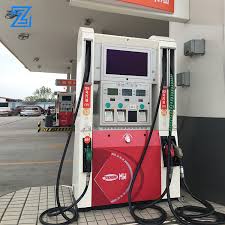
In recent years, Nigeria has grappled with a recurring issue that affects millions of its citizens: fluctuating petroleum prices. These price changes, often termed “petroleum pump price hikes,” present a multifaceted challenge to Nigerian consumers.

It is important to note that, petroleum is a crucial component in Nigeria’s economy, not just as a fuel but as a basis for many other products and services. When pump prices rise, the cost of transportation and production increases, leading to inflation. This inflationary pressure affects the cost of goods and services across the board. Essentials such as food, healthcare, and education become more expensive, straining household budgets and reducing the purchasing power of consumers.

For many Consumers, especially those in lower income brackets, an increase in fuel prices translates directly into a higher cost of living. Public transportation fares go up, affecting daily commutes and the affordability of travel. Additionally, businesses that rely on fuel for operations face increased expenses, which they often pass on to consumers in the form of higher prices for goods and services.
The burden of fuel price hikes is disproportionately borne by low-income families. These households spend a larger percentage of their income on transportation and energy, making them particularly vulnerable to price increases. As a result, these families often face tough choices between essential needs, such as food and healthcare, and their transportation or energy expenses.
Also, frequent increases in petroleum prices can lead to social unrest. In Nigeria, fuel price hikes have historically sparked protests and public demonstrations. Citizens, frustrated by the rising cost of living and the perceived lack of governmental accountability, often take to the streets to express their discontent. These protests can disrupt daily life and economic activities, compounding the challenges faced by consumers.
With rising fuel prices, individuals and families must adjust their budgets to accommodate higher expenses. This might involve cutting back on non-essential spending or finding alternative ways to save money. For many, this adjustment is not straightforward and can lead to significant lifestyle changes or sacrifices.
Another hurdle is the reliability of fuel supply. Even when prices are manageable, erratic fuel availability can create additional stress. Long queues at filling stations and intermittent shortages can disrupt daily routines and cause inconvenience. This unreliability can exacerbate the financial strain on consumers who are already grappling with high prices.
To mitigate the impact of fuel price hikes, the Nigerian government has implemented various subsidy policies over the years. These subsidies aim to cushion the blow of price increases for consumers. However, the effectiveness of these subsidies can be limited by issues such as corruption, inefficiencies in implementation, and the financial strain they place on government resources.
Addressing the underlying issues requires long-term strategies beyond immediate price controls. Investing in alternative energy sources, improving fuel infrastructure, and fostering economic diversification are essential steps. By reducing dependency on imported petroleum and enhancing domestic energy production, Nigeria can work towards stabilizing fuel prices and alleviating some of the economic pressures on consumers.
The hurdles faced by Nigerian consumers due to petroleum pump price hikes are both substantial and complex. The economic ripple effects, social implications, and personal challenges create a formidable landscape for individuals and families. Addressing these issues requires a concerted effort from both the government and private sector to implement sustainable solutions and provide relief to those most affected. Only through thoughtful policy and strategic investment can Nigeria hope to navigate these challenges and improve the quality of life for its citizens.