


Across several state capitals, a subtler, quieter form of political voter suppression is taking root. It does not involve tear gas or disrupted rallies; instead, it manifests as empty steel frames and blank advertising canvases. State governors, wielding state signage agencies as partisan instruments, have turned the regulation of public advertising into a weapon against opposition political parties.

The tactics are consistent across party lines: steep permit fees running into hundreds of millions, outright bans on “security grounds,” onerous bureaucratic approvals, and the sudden tearing down of opposition billboards by government task forces. Under the guise of revenue generation and urban planning, incumbent administrations are systematically suffocating competitive political discourse long before voters ever reach the polling units.

When an opposition candidate is effectively barred from mounting billboards in a state capital, it is not merely a commercial dispute between outdoor advertisers and local agencies; it is a direct assault on the constitutional right to freedom of expression and political participation.
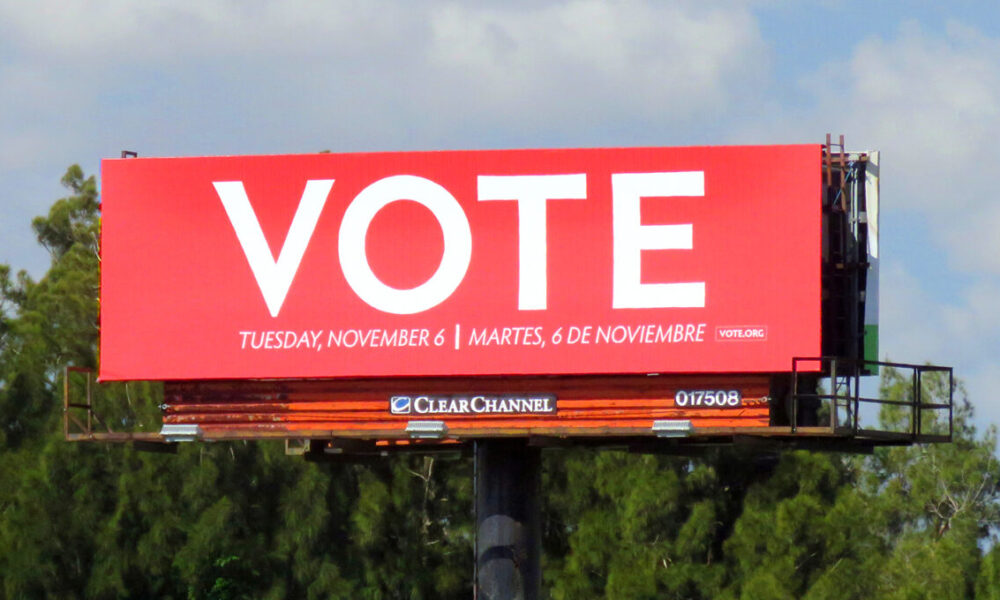
Billboards are more than commercial infrastructure; in modern campaigns, they signal viability, project presence, and communicate core policies to citizens. By pricing opposition candidates out of the market or rejecting their applications on arbitrary technicalities, state governors create an artificial illusion of total political dominance.
What makes this trend dangerous is its weaponization of state authority for private political gain. State Signage and Advertisement Agencies, funded by taxpayer money, ought to operate as neutral regulatory bodies balancing public safety, aesthetics, and commercial activity. Instead, many have effectively devolved into partisan gatekeepers. Incumbent governors display their own visages on every major highway and flyover while forcing rivals to contest elections from the shadows of quiet, unpaved side streets.
This partisan abuse carries serious consequences for multiparty democracy, as denying visual space distorts public perception, restricts voter information, and undermines the level playing field essential for free and fair elections long before election day, while simultaneously forcing outdoor advertising agencies to choose between financial ruin or political compliance and thereby disrupting private enterprise and local commerce.
Democracy cannot thrive when incumbent officeholders treat their states as personal fiefdoms. The electoral umpire, law enforcement, and judicial bodies must actively treat arbitrary advertising restrictions and extortionate political levies as form of pre-election malpractice.
Regulators must establish clear, non-partisan, nationwide standards for political advertising. If state governors are allowed to decide who gets seen, they will inevitably decide who gets heard, and ultimately, who gets voted for.