

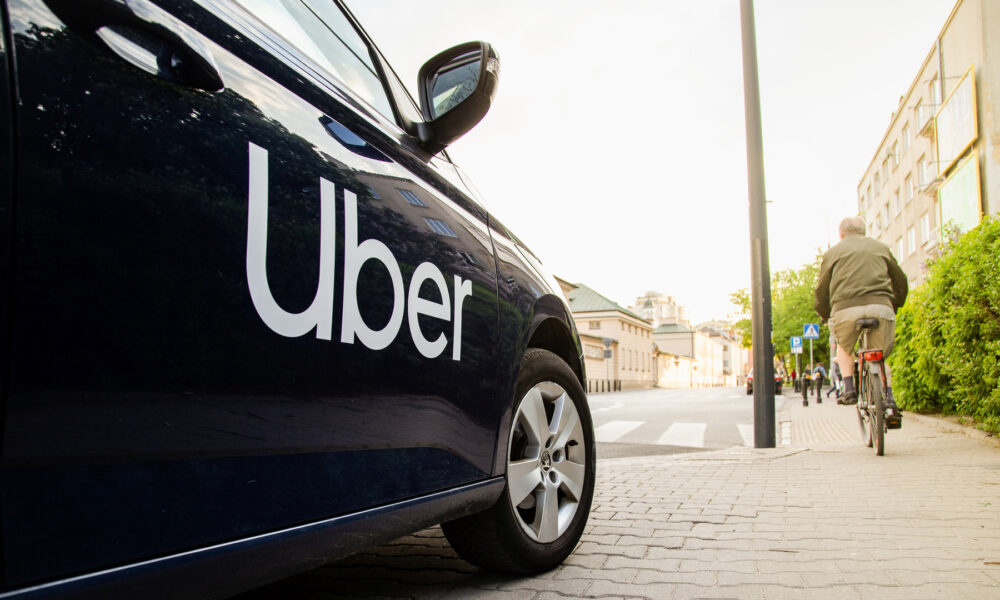




After twelve years of navigating the complex, bustling streets of Lagos, Abuja, and beyond, global ride-hailing titan Uber abruptly pulled the plug on its Nigerian operations on September 2, 2026.

The sudden retreat, which coincided with a similar pullout from Uganda, sent shockwaves through Nigeria’s tech ecosystem, left thousands of drivers stranded mid-transition, and prompted an immediate probe by the Federal Competition and Consumer Protection Commission (FCCPC) regarding unfulfilled consumer obligations.

While Uber framed the decision as a routine consequence of a “thorough business review” and a global restructuring push to cut 3,000 jobs, the reality on the ground tells a far more nuanced story. The tech pioneer did not simply leave Nigeria; it was squeezed out by a combination of macroeconomic headwinds, escalating operating costs, friction with labor, and intense competition.
Uber’s departure highlights a growing paradox in global business: a country can boast over 200 million citizens and a massive total addressable market, yet still prove unviable for high-overhead multinational tech platforms. A perfect storm of macroeconomic factors and structural realities ultimately made Uber’s model unsustainable in Nigeria.
Following the removal of petrol subsidies and the devaluation of the Naira under President Bola Tinubu’s administration, fuel prices surged by nearly 580%. In 2026, subsequent global energy shocks further spiked fuel costs. Drivers found themselves paying drastically more at the pump, while consumers, battling double-digit inflation on food, housing, and utilities, could no longer absorb significant fare hikes. Uber found itself trapped in the middle, unable to set prices high enough to satisfy drivers without destroying passenger demand.
Throughout its 12-year stint, Uber suffered from recurring friction with its driver union network. Nigerian drivers repeatedly staged protests, notably in 2017, 2023, and 2025, demanding lower commission fees, higher base fares, and better security protections. Unlike local or regionally agile competitors, Uber’s rigid global commission structures and resistance to cash-friendly flexibility created long-term friction with its driver force.
While Uber pioneered e-hailing in Nigeria, competitors like Bolt and inDrive quickly adapted to local market nuances. Competitors gained significant market share by offering flexible, bid-your-own-fare models (inDrive) and lower commission takes for drivers. Furthermore, Uber’s refusal to pivot to cash payments in a heavily cash-reliant economy proved to be a structural handicap.
At the executive level, Uber CEO Dara Khosrowshahi has been shedding non-core, high-friction, low-margin markets to streamline global operations and pivot capital toward emerging technology like autonomous vehicles. After exiting Ivory Coast and Tanzania, Nigeria and Uganda became the latest casualties as Uber consolidated its Sub-Saharan footprint into key, higher-margin strongholds like South Africa, Kenya, Egypt, and Ghana.
Uber’s sudden departure leaves behind a $450 million e-hailing ecosystem undergoing immediate structural realignments. The ripple effects are already being felt across several key sectors
For instance, FCCPC, led by Tunji Bello, quickly opened an investigation into Uber’s exit. The regulator’s focus on unfulfilled customer balances and abrupt operational cutoffs sets a new precedent: multinational tech giants can no longer simply turned off their servers overnight without satisfying local legal, worker, and consumer protection mandates.
Also, Uber’s departure removes its primary counterweight in the country. Bolt and inDrive are positioned to capture the bulk of Uber’s former user base and driver fleet. However, with reduced platform choice, riders may face higher surge pricing and reduced bargaining power during peak hours.
In addition, thousands of drivers face immediate disruption. While many will migrate to rival platforms, those dependent on vehicle financing tied directly to Uber metrics or those struggling with rising maintenance, spare part, and vehicle costs face an uncertain economic future.
Ultimately, Uber’s departure sends a sober message to international venture capitalists and corporations. Market size alone cannot substitute for purchasing power, infrastructure quality, currency stability, and regulatory ease. Foreign investors will likely apply stricter unit-economics scrutiny to consumer tech plays in West Africa.
On a positive note, Uber’s retreat creates a massive void for homegrown Nigerian mobility startups. Local operators who understand local payment systems, driver-financing dynamics, and flexible pricing models now have a unique window to build sustainable, domestic alternatives tailored specifically to the Nigerian operating environment.
Uber’s exit marks the conclusion of a major chapter in Nigeria’s digital transportation journey. It serves as a signal that technology cannot indefinitely bypass tough macroeconomic realities. As rival platforms step up to fill the void, the focus shifts from pure scale to long-term operational sustainability.