





In the current Nigerian economic landscape, the relationship between brands and consumers is being stretched to a breaking point. As inflation continues to erode purchasing power, families have transitioned from casual shoppers to meticulous auditors of every naira spent.

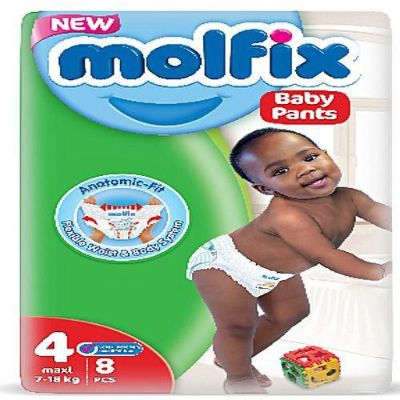
A recent controversy involving Molfix, a leading brand under Hayat Kimya Nigeria, has brought this tension to the forefront, serving as a potent case study on the ethics of “shrinkflation” and the fragility of corporate transparency.

The spark for the current outcry was a viral video circulated in late January 2026, which appeared to catch the brand in a moment of literal “double-labeling.” A consumer revealed that a green sticker on a jumbo pack of Size 3 diapers, claiming a count of 96 pieces, was placed directly over the original factory print of 88 pieces.
While seemingly a minor numerical shift, the symbolic weight of this act, obscuring a lower quantity with a higher one, has triggered a national conversation about whether brands are honestly navigating the economic crisis or actively “hoodwinking” the public.
This incident is a textbook example of shrinkflation: the practice of reducing a product’s size or quantity while maintaining (or even increasing) its retail price. While shrinkflation is a global phenomenon used by manufacturers to manage rising production costs without shocking consumers with massive price jumps, the Molfix case introduces a more troubling element: alleged deception.
When a brand uses secondary labeling to suggest a higher volume than what is physically present, it crosses the line from strategic downsizing into the realm of misleading trade practices.
The timing of this controversy is particularly sensitive. For years, Molfix enjoyed a dominant position in the Nigerian market, often praised for its quality and consumer-centric marketing. However, as the cost of Fast-Moving Consumer Goods (FMCG) skyrockets, the “benefit of the doubt” once afforded to major corporations has evaporated.
In an era of record-high inflation, Nigerian parents are no longer just buying diapers; they are calculating the “cost per unit” to ensure their household budgets survive the month. Discovering a discrepancy of eight pieces per pack is not merely a disappointment, it is a perceived theft of value.
Furthermore, this situation underscores a critical need for robust regulatory oversight. The public’s immediate turn toward the Federal Competition and Consumer Protection Commission (FCCPC) highlights a growing demand for accountability. In a healthy market, the burden of verifying product integrity should not rest solely on the shoulders of the exhausted consumer. Regulatory agencies must ensure that “innovative manufacturing” and “quality assurance”, terms often touted by companies like Hayat Kimya, extend beyond the factory floor and into the honesty of the product’s packaging.
In conclusion, the Molfix labeling scandal is a cautionary tale for all players in the FMCG sector. Trust is a hard-won currency that can be devalued far faster than the naira. As consumers become increasingly vigilant and digitally connected, the “sneaky” tactics of the past are no longer viable. For brands to survive this economic climate, they must prioritize radical transparency over deceptive packaging. Anything less risks a permanent divorce from the very consumers who built their market dominance.