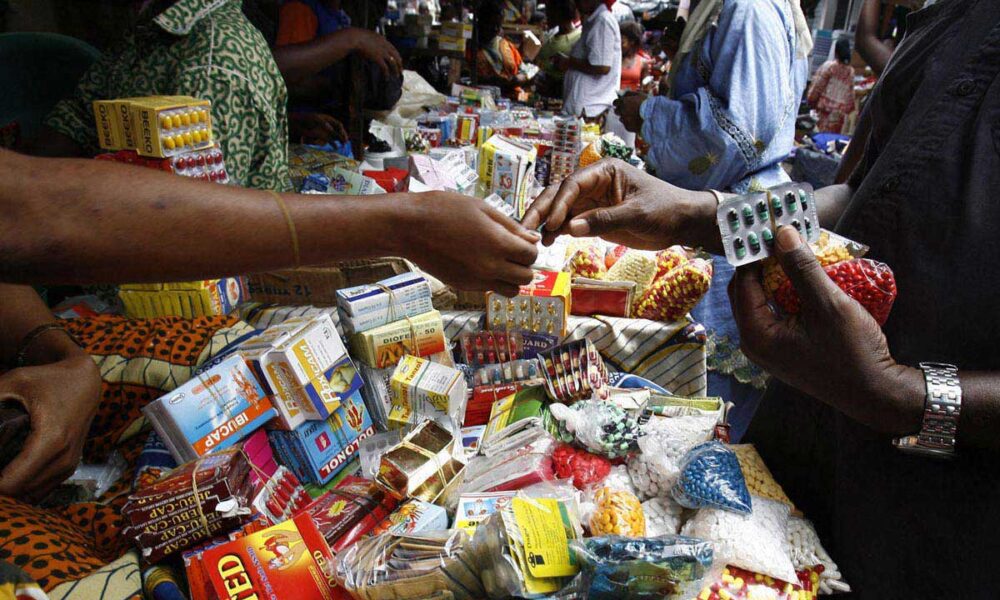


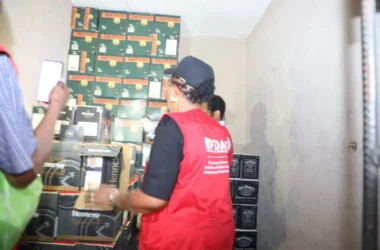
The proliferation of substandard and falsified food products has reached alarming levels. In late 2025 and early 2026, investigations by the Federal Competition and Consumer Protection Commission (FCCPC) uncovered a massive influx of unregistered, smuggled sugar brands, such as Grupo Moreno and Alvean, flooding local markets. These products often bypass the mandatory Vitamin A fortification required by Nigerian law, posing a silent threat to a population already battling nutritional deficiencies.

However, the menace extends far beyond sugar. Counterfeiters have moved into the “high-velocity” consumer goods space:
Adulterated Palm Oil: Laced with “Sudan Red” dye (a known carcinogen) to give it a vibrant, “fresh” appearance.

Also, a falsified seasoning cubes produced in unhygienic backyard factories using industrial-grade salt and harmful fillers.
Recycled Grains: Old, weevil-infested stocks treated with toxic pesticides to appear “new” in open markets.
The consequences are not merely statistics; they are etched in the medical files of thousands of Nigerians. Consider the case of Fatima Ibrahim, an Abuja-based civil servant who was rushed to the hospital after consuming a meal prepared with what she believed was standard vegetable oil bought from a roadside vendor. Within hours, she experienced uncontrollable vomiting and acute abdominal distress.
Doctors diagnosed her with acute chemical poisoning, likely from industrial contaminants used to “stretch” the oil.
Medical experts warn that the long-term effects are even more terrifying. Dr. Chinonso Egemba, a public health advocate, notes that the consistent consumption of substandard food leads to chronic conditions.
”We are seeing a rise in kidney failures and liver damage among younger demographics. When people consume dyes not meant for human ingestion or heavy metals from unhygienic processing, they are essentially ticking a time bomb for organ failure.” He noted.
Furthermore, the financial damage is staggering. As of mid-2026, data suggests that the Nigerian food and drug industry loses an estimated ₦200 billion annually to the activities of fakers. This loss is three-pronged:
Revenue Theft: Legitimate manufacturers like Nestlé and Dangote lose market share to cheaper, dangerous clones.
Productivity Loss: The World Bank estimates that Nigeria and similar economies lose billions of dollars yearly in lost productivity due to food-borne illnesses.
Healthcare Burden: Billions are spent by the government and individuals treating ailments that are entirely preventable if the food supply chain were secure.
In May 2026, a significant turning point occurred. The National Agency for Food and Drug Administration and Control (NAFDAC) and the FCCPC renewed their Memorandum of Understanding (MoU) to create a “pincer movement” against counterfeiters.
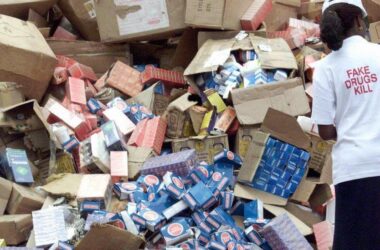
Prof. Mojisola Adeyeye, Director General of NAFDAC, has emphasized a shift toward “aggressive enforcement.” The agency has intensified its market surveillance, recently uncovering a multi-million naira counterfeit malaria drug ring and shifting focus to “backyard” food processing hubs.
On the other hand, Tunji Bello, the Executive Vice Chairman of the FCCPC, has moved the battle to the legal front. The Commission is currently pushing for the “Digital, Electronic, Online, or Non-Traditional (DEON) Consumer Lending Regulations 2025” logic to be applied to food supply chains, ensuring traceability from farm to fork.
Manufacturers’ Response
The Manufacturers Association of Nigeria (MAN) has also stepped up, with many brands now embedding anti-counterfeit technologies such as scratch-to-verify PINs (Mobile Authentication Service) on packaging. However, manufacturers admit that as they innovate, counterfeiters adapt, often cloning the security features themselves.
Expert Perspectives
Experts argue that technology and enforcement are only half the battle. Hon. Sola Salako-Ajulo, a veteran consumer advocate, believes the “poverty premium” is the biggest hurdle.
”Counterfeiters hide under the smokescreen of affordability. When a mother has ₦500 to feed a family of four, she will likely choose the cheaper oil, even if it looks suspicious. We must fix the economy to fix the food supply.” Said Comrade Dahiru Issa, The Branch Chairman of Committee for the Defence of Human Rights, Yobe State Branch.
Strategic Leadership View
From a strategic management perspective, experts suggest that Nigeria must move toward a decentralized regulatory model. Currently, enforcement is concentrated in urban centers like Lagos and Abuja, leaving rural markets, where the bulk of counterfeit food is sold, largely unprotected.
For Nigeria to reclaim its food security, three things must happen:
Stiffer Penalties: Moving beyond mere fines to lengthy prison sentences for “food terrorists.”
Consumer Redress Culture: Encouraging Nigerians to report suspicious products via digital channels rather than just venting on social media.
Traceability Tech: Mandatory digital tracking for every batch of processed food entering the Nigerian market.
The war for the Nigerian plate is far from over. As the “fakers” get smarter, the synergy between NAFDAC, the FCCPC, and the manufacturers must become even more seamless. For the consumer, the message remains clear: “If the price is too good to be true, it might just cost you your life.”